
Services
Dryer Vent Cleaning
Full vent-line cleaning from the dryer to the outside cap — lint, blockages and buildup cleared with rotary brushes and a high-powered vacuum.
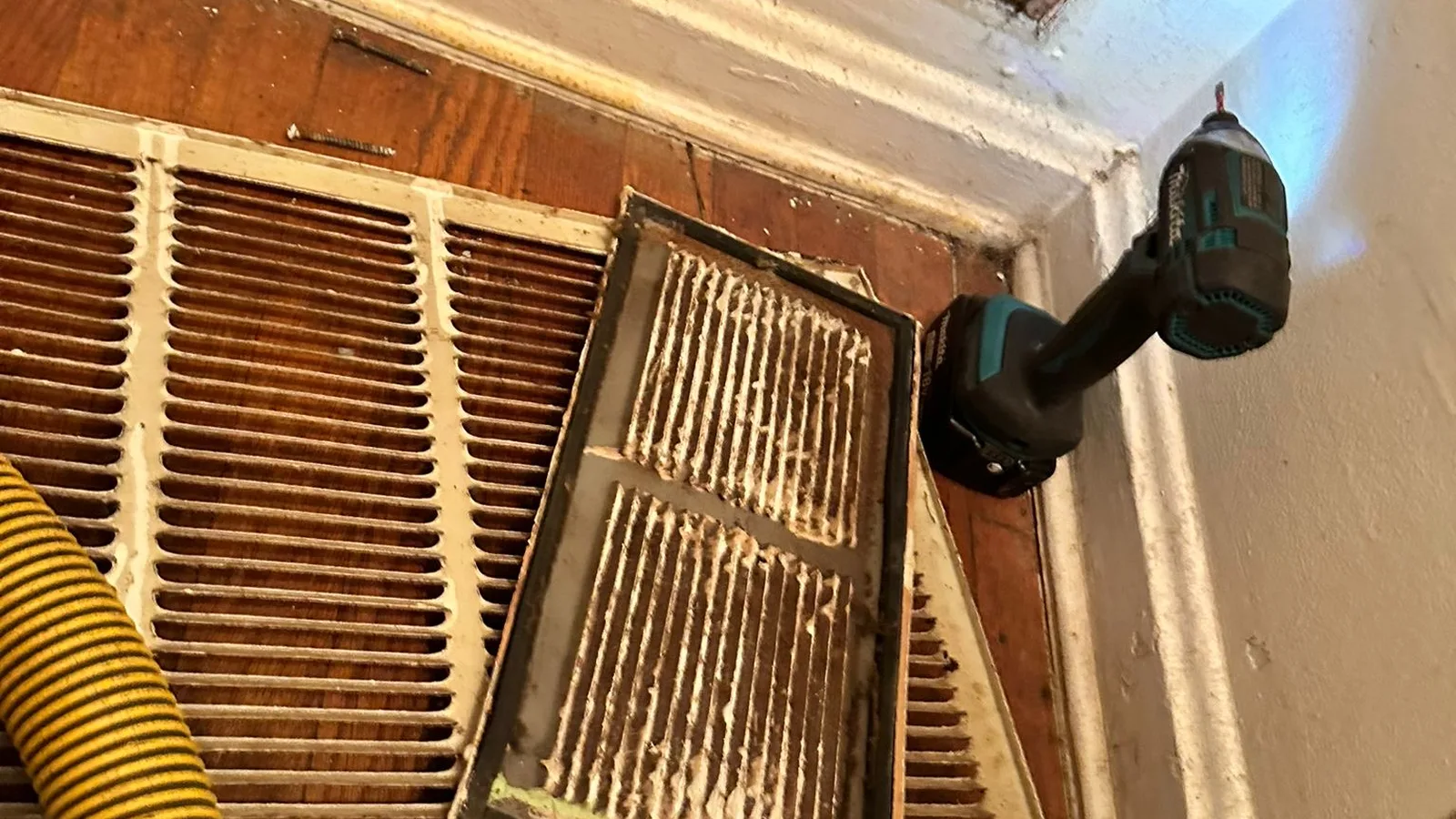
Every load of laundry pushes lint past the trap — and a share of it lands inside your vent line. Year after year it mats against the duct walls, around every elbow and behind the outside cap, until the dryer is pushing hot, moist air through a straw. Drying slows down first. The fire risk builds quietly behind it.
Our cleaning works the entire run, not just the easy first few feet. A rotary brush system scrubs the full length of the line while a high-powered vacuum pulls the loosened lint out, from the connection behind the dryer all the way to the exterior cap. We finish with an airflow check at the outside vent, so you can see the flap open the way it should.
What's included
- Complete vent-line cleaning, inside to the outside cap
- Rotary brush + vacuum system sized to your duct run
- Transition hose behind the dryer checked and re-seated
- Exterior cap and flap cleaned and airflow-tested
- The lint we remove shown to you — most homeowners are stunned
Book Your Vent Cleaning
Tell us what you need and we'll call you back to confirm. Rather talk now? (855) 640-0404 — answered 24/7.
How it works
Our Process
Access & inspect
We pull the dryer out, disconnect the transition hose and look inside the line to see what we are dealing with.
Brush the full run
Rotary brushes scrub every foot of duct — through elbows and up roof or wall exits — while the vacuum captures the debris.
Clear the cap
The exterior hood, flap and screen area are cleaned so air leaves freely and pests stay out.
Airflow check
We run the dryer and measure the exhaust at the cap. Strong, steady airflow is the receipt that the line is clear.
Questions
Dryer Vent Cleaning — FAQs
Most homes take about an hour. Long runs, roof exits and heavy buildup take a little longer; we will give you a realistic window when we arrive.
You will see the lint we pulled out — and we finish with a live airflow check at the outside cap, with the dryer running, so the result is visible, not promised.
Both, as your home requires. Working from both ends is how a full run — including elbows and the exit cap — actually gets cleared.
If lint buildup is the restriction, yes — restricted airflow is the most common reason a healthy dryer starts taking two cycles. The first load after a cleaning usually tells the story.
Once a year for most households. Large families, pet-heavy homes and long vent runs benefit from every 6–12 months. Our inspection page explains the warning signs to watch between visits.